
Child Counseling in Charlotte: How Our Therapists Help Children Thrive
Helping Your Child Navigate Big Emotions Through Brain-Based Counseling in Charlotte
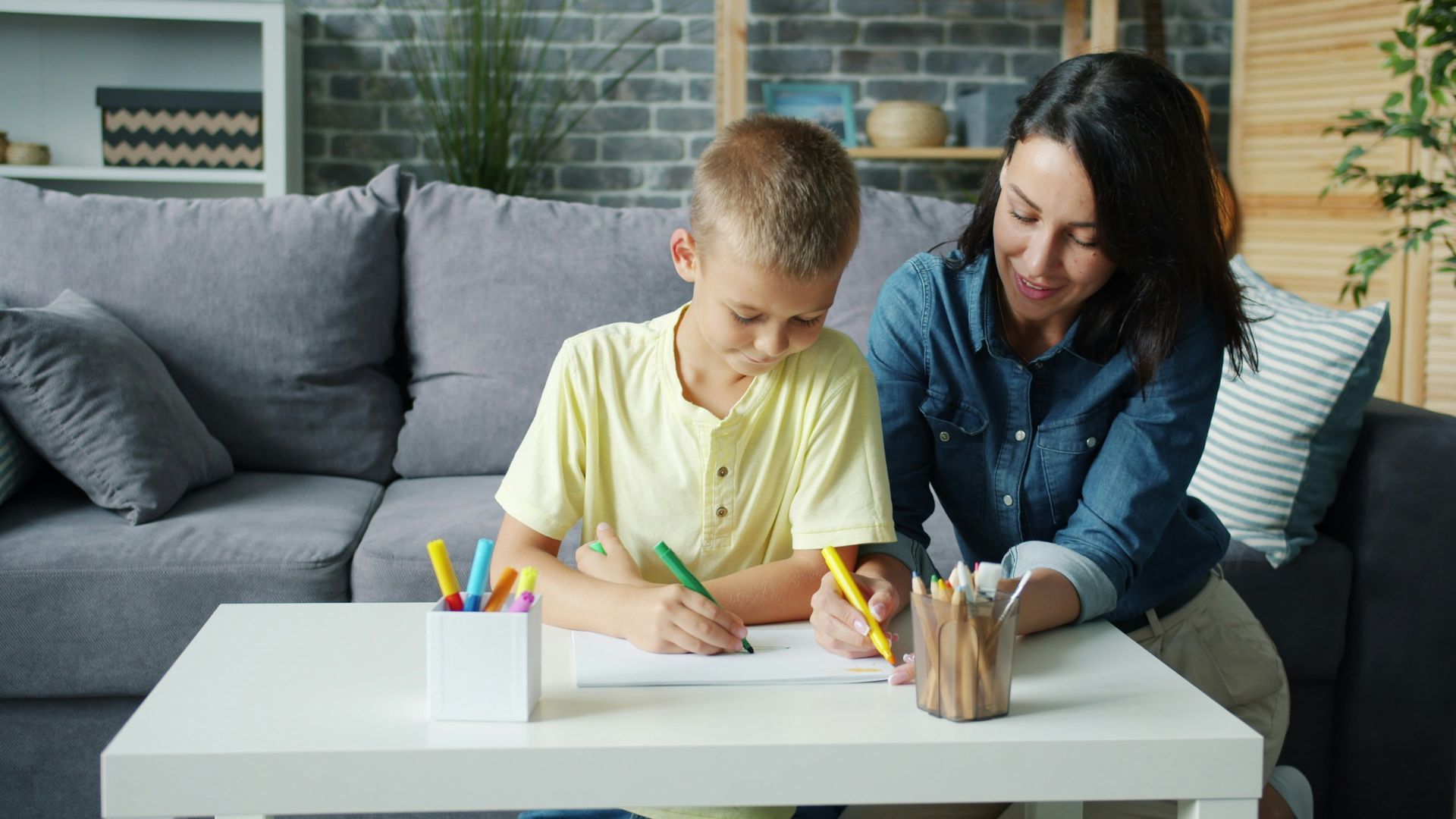
"Why does my child melt down over the smallest things?" "How can I help them when they're so overwhelmed they can't even talk to me?" If you've asked yourself these questions, you're not alone. Many parents in Charlotte come to us feeling exhausted and confused by their child's intense emotional reactions. The good news is that understanding how your child's brain works can transform these challenging moments into opportunities for growth and connection.
When Children Struggle to Manage Their Emotions
Children often experience emotions that feel too big to handle. Whether it's anxiety about school, sadness over friendship struggles, or explosive anger that seems to come from nowhere, these overwhelming feelings can leave both children and parents feeling helpless. Without the right tools and support, these patterns can impact a child's self-esteem, relationships, and ability to succeed in daily life.
Brain-Based Counseling: A Path to Emotional Resilience
Our child therapists in Charlotte use brain-based approaches to help children develop emotional regulation skills. Research from neuroscience shows us that a child's brain is still developing, particularly the areas responsible for self-control and emotional management. Dr. Daniel Siegel and Dr. Tina Payne Bryson explain in The Whole-Brain Child that when children are upset, their "downstairs brain" (the reactive, emotional part) takes over, while their "upstairs brain" (the thinking, reasoning part) goes offline. Our counselors help children strengthen the connection between these two parts of the brain, building skills that last a lifetime.
Application
Reflection Prompt: When does your child seem most overwhelmed by their emotions? What patterns do you notice?
Gentle Practice: The next time your child is upset, get down on their level, make eye contact, and simply name what you see: "You seem really frustrated right now." This simple act of connection can help bring their upstairs brain back online.
Spiritual Anchor: "A gentle answer turns away wrath, but a harsh word stirs up anger." (Proverbs 15:1)
Teaching Children to "Name It to Tame It"
What Does Brain-Based Therapy Look Like for Children?
One powerful tool our Charlotte counselors use is helping children learn to identify and express their feelings. Siegel and Bryson call this "name it to tame it." When children can put words to their emotional experience, it actually calms the reactive parts of their brain and engages the thinking parts. This isn't just theory—brain imaging studies show that labeling emotions reduces activity in the amygdala, the brain's alarm center.
How Does Naming Emotions Help with Anxiety and Big Feelings?
In therapy sessions, our counselors create a safe space where children can explore their feelings without judgment. Through play, art, and conversation, children learn to recognize physical sensations in their bodies that signal different emotions. A child might discover that anxiety feels like butterflies in their stomach, while anger feels like heat in their chest.
Here's how this process typically unfolds in counseling:
- Building Safety: The therapist creates a warm, accepting environment where the child feels comfortable expressing themselves
- Developing Emotional Vocabulary: Children learn names for different feelings and practice identifying them in stories, pictures, and their own experiences
- Connecting Body and Brain: Kids discover how emotions show up physically and learn to recognize warning signs before emotions become overwhelming
- Practicing Regulation: Therapists teach age-appropriate coping strategies like deep breathing, movement, or creative expression
The benefit of this approach is profound. Children who learn to name their emotions develop greater self-awareness, improved relationships with peers and family, and increased confidence in handling life's challenges. They move from feeling controlled by their emotions to feeling capable of managing them.
Supporting Your Child's Emotional Growth
Understanding that your child's brain is still developing can bring compassion to those difficult moments. With the right support, children can learn to navigate their big emotions and build resilience that serves them throughout life. Our child counselors in Charlotte specialize in creating individualized treatment plans that meet each child exactly where they are.
If your child is struggling with anxiety, emotional regulation, behavioral challenges, or trauma, we're here to help. Contact Bareiter Counseling Center at 704-334-0524 to schedule an appointment. Together, we can help your child develop the skills they need to thrive.
For more information about children’s therapy at Bareiter Counseling Center, click here: https://www.bareitercc.com/child-play-therapy
References
Siegel, D. J., & Bryson, T. P. (2011). The whole-brain child: 12 revolutionary strategies to nurture your child's developing mind. Bantam Books.